
alidating Autonomous Robotics for Harsh Industrial Environments
Reducing investment risk and enhancing worker safety through high-fidelity AGV simulation and small-scale prototyping for the metals sector.
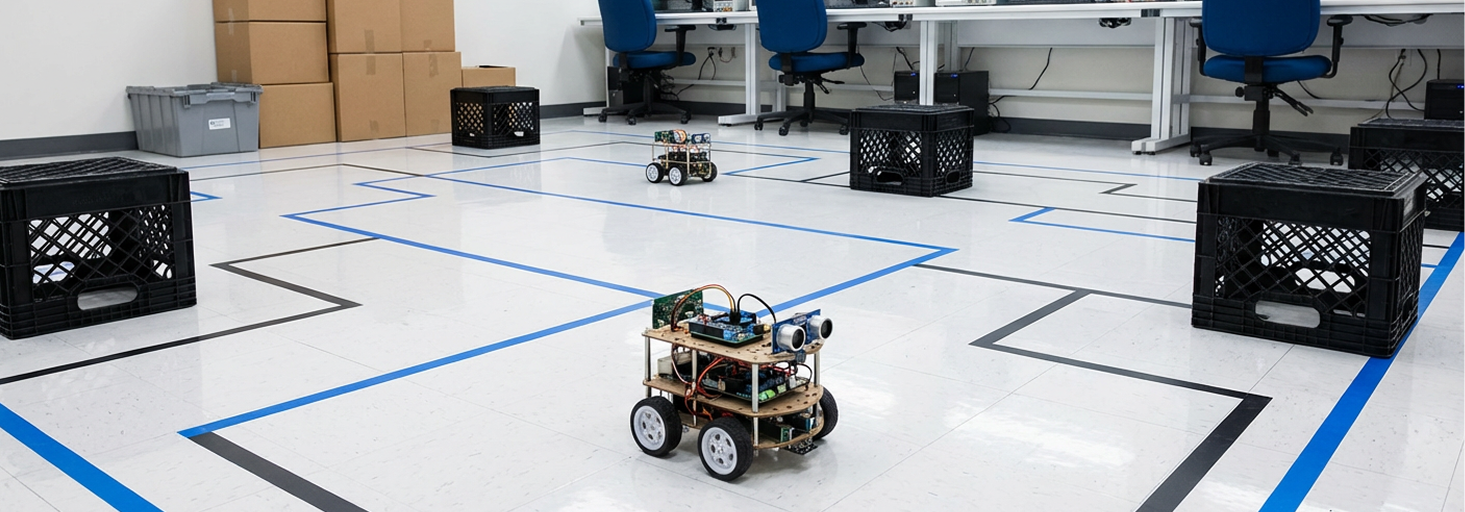
De-Risking Automation in Extreme Industrial Climates
In the demanding environments of steel and aluminum manufacturing, traditional automation often fails due to extreme heat, dust, and electromagnetic interference. The EBI LOGISTIC project bridges the gap between theoretical automation and floor-ready reliability. By utilizing the EBI Platform’s “Design Simulation & Optimization” pillar, we deployed a sophisticated R&D testing ground using small-scale demonstrators to validate autonomous navigation and fleet coordination before full-scale capital expenditure.
This “Training-First” approach ensures that the transition to Industry 4.0 is seamless. We focus on upskilling the workforce to manage these intelligent systems, turning hazardous logistics tasks into high-tech, remote-operated roles. This not only optimizes 24/7 operations but directly addresses the talent gap by making the industrial sector an inspiring environment for the next generation of engineers.
Challenges · Solution · Results
- Environmental Obstacles: Extreme heat, heavy dust, and electromagnetic interference that disrupt standard robotic sensors.
- Operational Safety: High-risk zones in metallurgy plants that pose significant physical threats to human workers.
- Financial Uncertainty: The high cost of full-scale robotic failure without a proven, low-risk testing methodology.
- Prototyping Excellence: A dedicated R&D platform using small-scale demonstrators to simulate real-world physics and navigation constraints.
- Hybrid Autonomy: Integration of LiDAR-based vSLAM for autonomous movement alongside low-latency 5G teleoperation for complex manual overrides.
- Universal Integration: Fleet management testing using VDA 5050 standards to ensure vendor-agnostic communication with existing ERP/WMS systems.
- Validated Resilience: Proved that AGV platforms can maintain sub-centimeter precision despite harsh industrial interference.
- Enhanced Safety: Successfully transitioned material handling in hazardous areas from manual labor to supervised robotics.
- Minimized Risk: Provided a data-backed justification for large-scale robotics investment, ensuring a faster ROI for SMEs.
In-Depth Documentation
Background & Goals
The primary objective of EBI LOGISTIC was to provide a “sandbox” for energy-intensive SMEs to explore robotics without the typical barriers to entry. In alignment with our manifesto, we sought to replace the “Dirty and Dangerous” aspects of metallurgy logistics with a sophisticated digital twin and robotic ecosystem. By testing fleet coordination and autonomous obstacle detection in a controlled environment, we aimed to provide a blueprint for the “Factory of the Future” in the GCC region.
Implementation & Methodology
Leveraging our partnership with AnyLogic and the EBI Twin+ framework, the team developed a multi-robot testing environment. We focused on “SME-Centric Design,” ensuring the platform remained agile and cost-effective. The methodology involved stress-testing vSLAM (Visual Simultaneous Localization and Mapping) against simulated industrial interference and establishing a 5G-enabled remote command center. This allowed operators to transition from floor-workers to “Industrial Pilots,” overseeing autonomous fleets from a safe, digitized environment.
Tools & Technologies
Explore More Projects
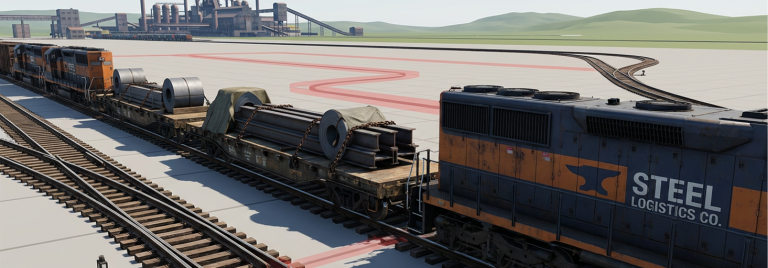
Digital Twin Optimization for High-Volume Steel Rail Logistics
Leveraging AnyLogic simulation to synchronize material flow and rail network capacity, ensuring seamless "Inbound to Outbound" transitions in energy-intensive environments.
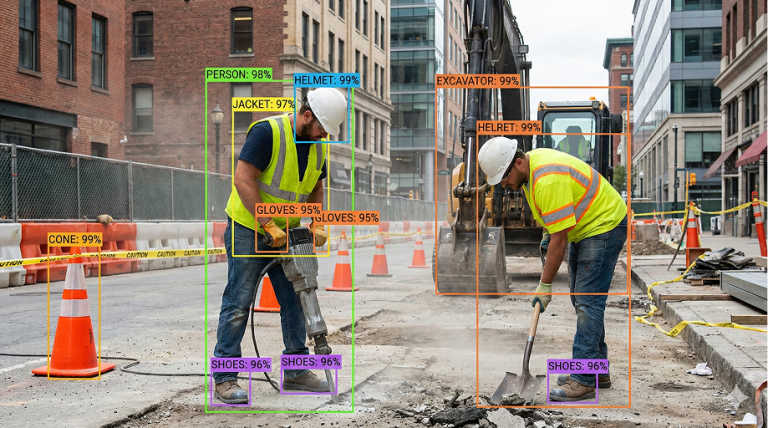
AI-Driven Vigilance: Redefining Industrial Safety Standards
Bridging the talent gap with an intelligent, 24/7 computer vision ecosystem that protects your most valuable asset—your people.
AI-Driven Intelligence for Real-Time Production Mastery
Empowering industrial leaders with natural-language analytics and real-time KPI visibility to transform "dark data" into strategic operational growth.
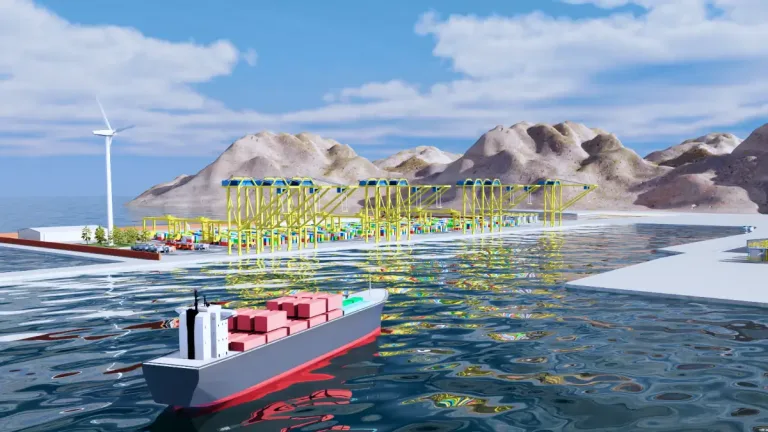
Optimizing Port Logistics Through Sustainable Digital Twins
Empowering maritime leaders with integrated simulation-optimization to maximize throughput while achieving aggressive decarbonization goals.
Ready to discuss your project?
Let's explore how advanced strategies and solutions can elevate your business.
Get in Touch →Explore more projects
See how we've applied these methods across logistics, manufacturing, and beyond.
View All Projects →