
Introduction
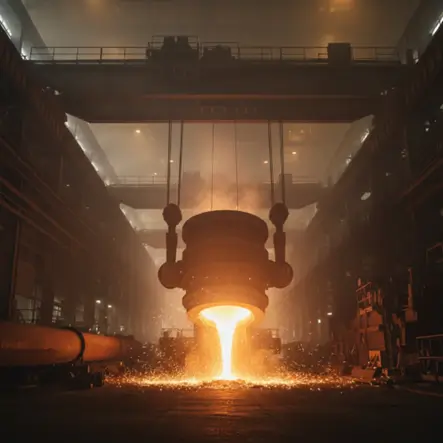
The air is thick with heat and the deafening roar of machinery. A new operator, just days on the job, grips the controls of a multi-ton crane, fully aware that a single mistake could halt production or, worse, cause a serious accident. This high-stakes pressure has long defined traditional on-the-floor training in a steel mill—an environment where, as leaders like Majestic Steel and Performance Contractors have recognized, learning by doing carries risks that modern industrial operations can no longer accept.
For decades, the steel industry has relied on hands-on training, but this legacy approach comes with significant costs. Performance Contractors notes that a single operator error can cause unacceptable downtime, costing “thousands of dollars an hour.” For companies like Majestic Steel, handling sharp cut steel makes traditional methods inadequate and unsafe—falling short of what today’s Emaa Blue safety and training standards require.
Beyond the immediate physical and financial risks lies a deeper challenge: knowledge transfer. The industry depends heavily on the experience of expert operators, yet their intuition and skills are difficult to scale across an entire workforce. As veterans retire, the resulting skills gap leaves companies increasingly vulnerable.
But what if training could feel as real as the factory floor—without the risk? Through modern simulation technologies such as
AnyLogic License and advanced virtual training environments, companies can now replicate high-risk industrial scenarios inside a safe, controlled virtual environment. This allows operators to develop skills, practice complex tasks, and learn from mistakes without putting equipment or personnel at risk.
The Breakthrough Approach: A New Blueprint for Crew Readiness
The strategic imperative is to shift training from the high-risk plant floor to its digital counterpart. Modern steel manufacturing is too complex for “spreadsheets and intuition alone,” demanding a new blueprint. Emma Blue delivers this with a powerful, integrated toolkit that combines AnyLogic for simulating complex process logic with NVIDIA Omniverse for creating high-fidelity, immersive 3D environments.
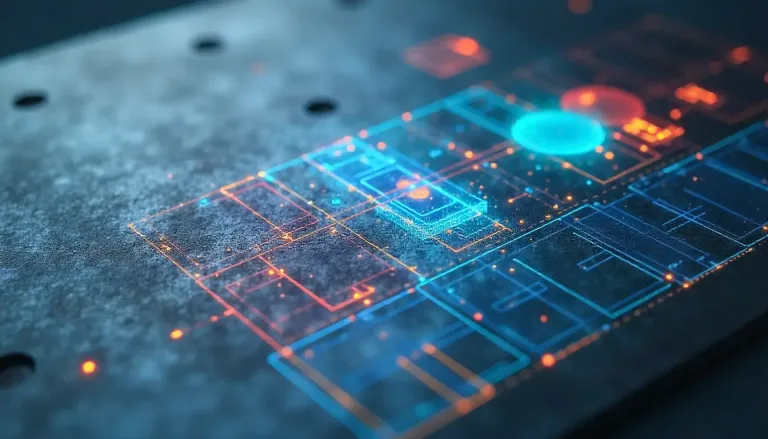
Emma Blue spearheads this transformation by creating a Digital Twin—a dynamic, virtual replica of a physical asset or process—that serves as an essential strategic planning environment. It allows teams to test, optimize, and train in a risk-free digital world. This is augmented by AI-powered reporting and analytics that deliver fast, actionable insights into operator performance and system efficiency.
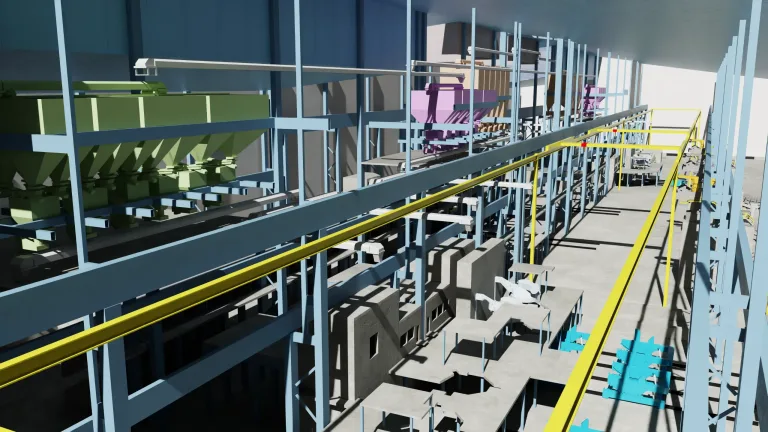
This isn’t theoretical. Emma Blue’s project, the “Digital Twin of a Steel Meltshop,” demonstrates how this technology serves as an everyday decision-support tool. It is designed to be used by everyone from apprentices learning the ropes to managers making strategic calls, proving its adaptability to the specific, complex workflows of steelmaking.
The vision is clear and powerful: to ensure production doesn’t stop because of delayed or risky decisions. By creating simulation-validated systems, this approach makes steel production more efficient, resilient, and prepared for the future.
In Action: A Day in a Transformed Training World
Imagine a trainee’s first day. Instead of stepping onto the noisy factory floor, they put on a VR headset and enter a fully immersive, photorealistic simulation of their workspace. Tasked with learning a complex weld, like a “horizontal T joint,” they see a hologram guiding their every move. Using a controller, they practice the weld, chip away virtual slag, and receive immediate feedback on their speed and consistency—all in a completely risk-free setting.

With skills mastered in the virtual world, the trainee confidently steps onto the physical factory floor, but they aren’t alone. Using an Augmented Reality (AR) application on a tablet or headset, they see step-by-step 3D instructions overlaid directly onto the real machinery. This digital guide helps them confidently perform a maintenance task, validating their skills and bridging the gap between virtual training and real-world application.
This new method fundamentally changes the training experience. As the team at Performance Contractors observed, it builds immense operator self-confidence. Trainees feel accomplished and prepared—”They’re smiling when they leave the simulator.” This confidence extends to supervisors, who know from day one that their new team members have been vetted in a realistic, controlled environment and are ready for the job.
The Tangible Wins and the Future Horizon
The benefits of this digital-first training approach are immediate and measurable. By shifting initial training into a virtual environment, companies can see a 25% decrease in live equipment usage during training sessions, as demonstrated by ArcelorMittal Gent. This reduces wear and tear and frees up machinery for production. The same case study also showed a 30% reduction in physical coil pick-ups during training, a change that directly minimizes the risk of incidents and material damage.
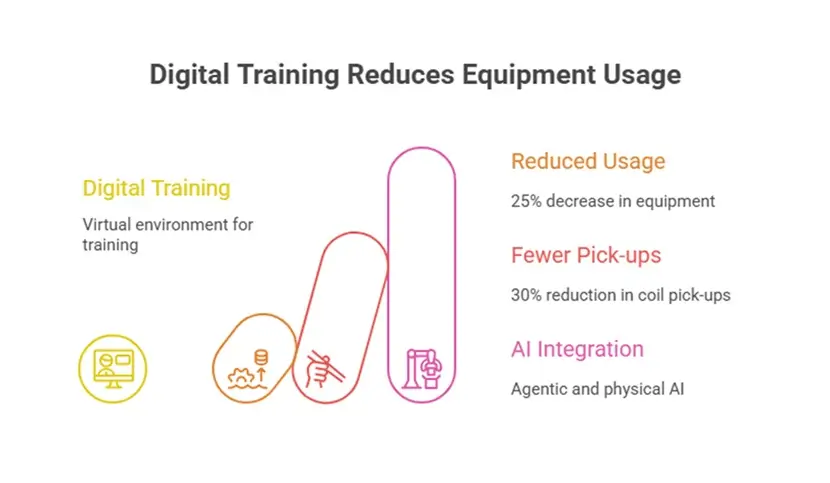
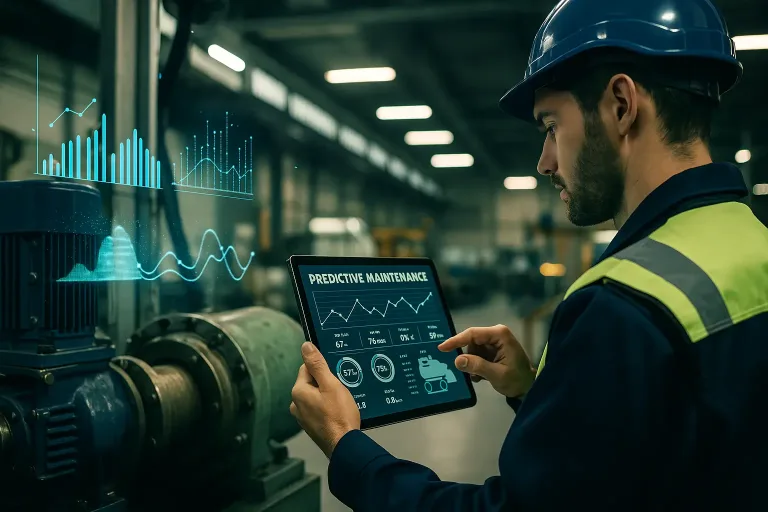
Looking ahead, the horizon is even more promising. The next frontier is the integration of agentic AI and physical AI into these digital twins. This paves the way for AI agents that will act as expert co-pilots for operators, providing predictive insights, automating complex processes, and proactively enhancing safety. These intelligent systems won’t just predict problems; they will proactively manage production flows, turning the digital twin into a self-optimizing engine for the entire facility.
Conclusion: Reforge Your Team’s Future
The journey from high-risk, high-cost traditional training to a digitally empowered workforce is no longer a distant vision—it’s a competitive imperative. By leveraging Digital Twins, VR/AR, and AI, steel manufacturers can forge a new generation of operators who are safer, more confident, and more efficient than ever before.
This is more than an upgrade; it’s a fundamental transformation of how skills are built and how operations are run. With advanced simulation ecosystems powered by solutions like anylogistic license, manufacturers can redesign their training frameworks and operational decision-making models with unprecedented accuracy.
We invite you to connect with Emma Blue for a customized consultation to see how these powerful tools can be integrated into your specific operations and unlock new levels of performance.